
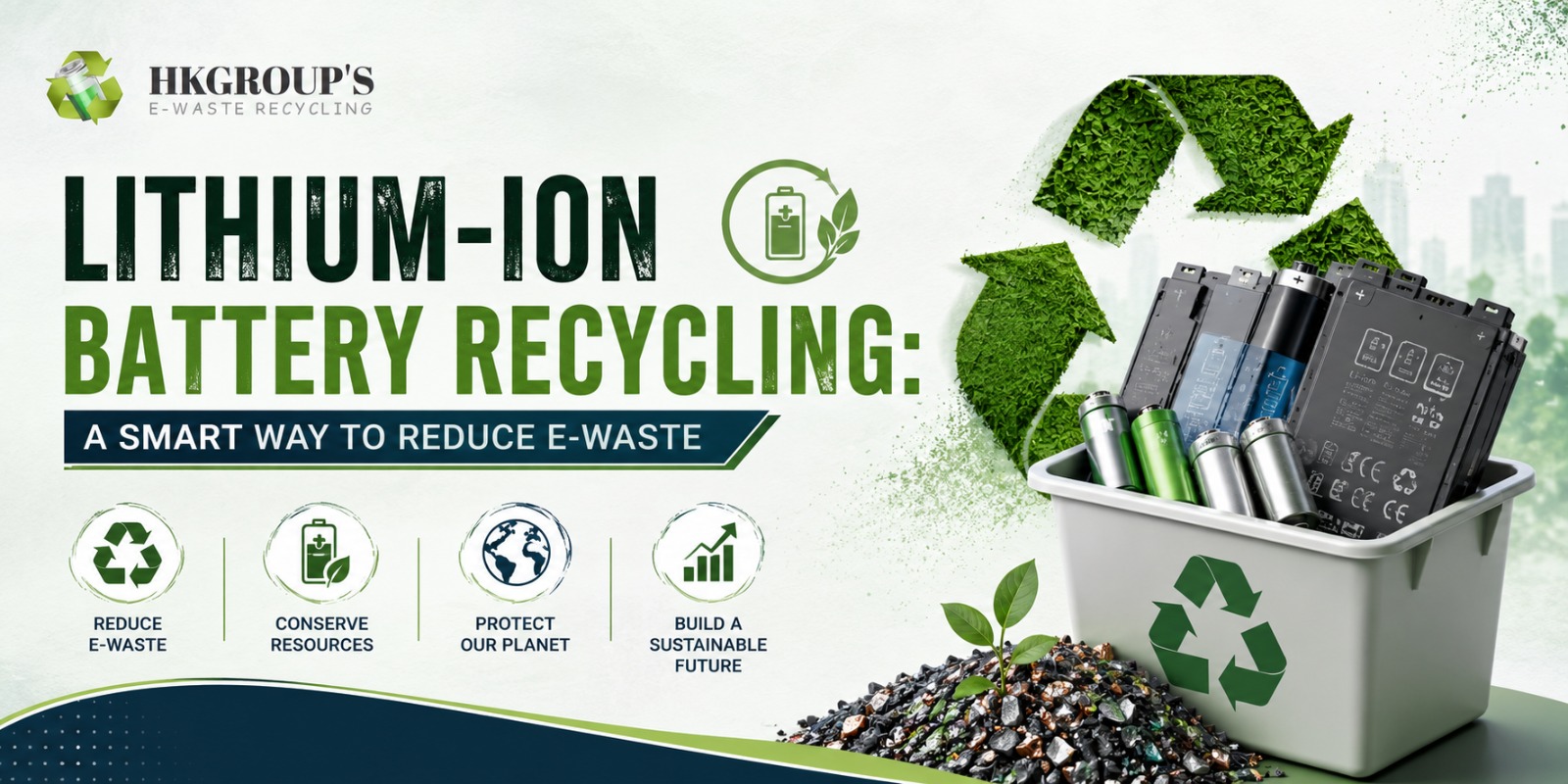
Battery Recycling The Last month, my neighbour pulled out three dead phones, two power banks, and
an old laptop battery from his storage room. He had no clue what to do with them. So they went right back into the drawer. That is honestly how most of us deal with this: ignore it and hope it sorts itself out. But it does not.
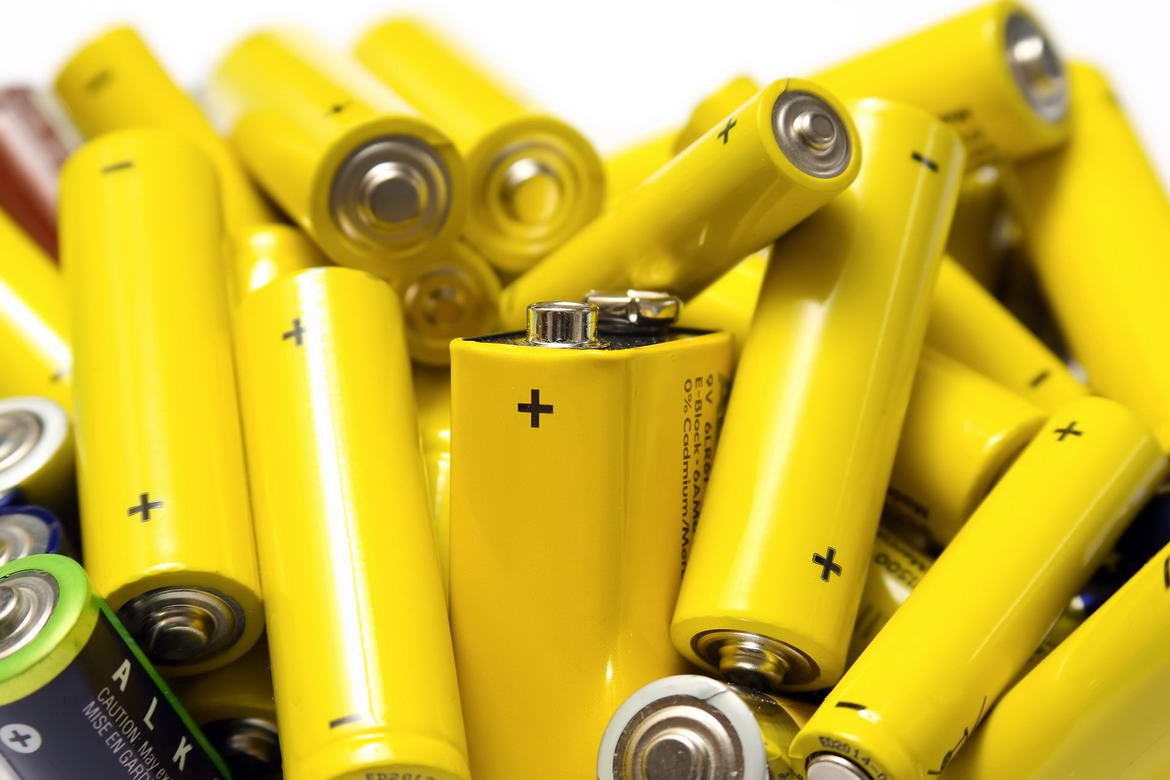
Lithium-ion batteries are quietly piling up in our homes, our offices, and our scrap heaps. And while they seem harmless enough when sitting in a drawer, they become a serious problem the moment they are tossed into regular trash. These batteries carry cobalt, lithium, nickel, and a mix of electrolytes that do not belong anywhere near soil or groundwater. One battery in a landfill is a small issue. Millions of them — which is exactly what India is producing every single year — is a disaster waiting to unfold.
The good part is this problem actually has a solution. And it is not complicated. It just needs more people to act on it.
Why These are different from regular trash?
Most people understand that you should not throw a smartphone in the dustbin. But there is still a lot of confusion around why specifically the battery inside it is so dangerous. It comes down to what is inside.
Cobalt, for instance, is toxic. Lithium reacts badly with water and can cause fires. The electrolyte solution that helps the battery hold charge? Corrosive. When these materials sit in a landfill, they eventually leach out. They get into the groundwater. And once that happens, the damage is long-term and very expensive to fix.
At the same time, these very same materials — cobalt, lithium, and nickel — are genuinely valuable. They are used to make new batteries. Mining them fresh requires enormous energy, destroys habitats, and often involves difficult conditions in the mining regions. So recycling is not just about keeping toxins out of the ground. It is also about recovering something worth recovering.
The battery recycling process is more involved than people think
When a lithium-ion battery arrives at a certified recycling facility, it does not just get crushed and sorted. The process starts with discharging the battery completely — because a charged battery is dangerous to dismantle. After that, it gets broken down mechanically, and then the materials are separated using chemical processes.
What comes out the other end is a mix of recovered lithium, cobalt, nickel, manganese, copper, and aluminium — all of which can go back into manufacturing. Cobalt recovered through recycling can re-enter battery production. That is a closed loop, and it is exactly the kind of system India needs to build at scale, especially as electric vehicles become more common on our roads.
Good e-waste recycling management in India is not just about compliance. It is about building that loop properly — collection, processing, recovery, reuse. Right now, the collection end is the weakest link.
If you are in Delhi, here is what you should know
Delhi is one of the biggest generators of electronic waste in the country. Phones, laptops, inverter batteries, EV two-wheeler packs — the volume is significant. And yet finding a proper place to drop off a dead battery is still harder than it should be.
If you have been typing scrap store near me into your search bar hoping something useful shows up — you are not the only one. The informal kabadiwala network will take your old electronics, but they often do not have the equipment or the knowledge to handle lithium-ion batteries safely. They are more comfortable with copper wire and steel than with battery packs that can catch fire if handled wrong.
What you actually want is a certified collection point or a formal recycler. Several companies now offer scheduled doorstep pickups in Delhi, especially for bulk quantities. If your housing society, school, or office generates a fair amount of device waste, one phone call to a registered e-waste recycling company in Delhi can get all of it collected in one go — properly, safely, and often for free above a certain weight threshold.
Businesses operating in Delhi — especially those running electric delivery fleets, equipment rental services, or consumer electronics retail — are legally required under the Battery Waste Management Rules of 2022 to ensure their spent batteries go to authorised handlers. Connecting with a registered provider of battery recycling services in Delhi is not optional anymore. It is a compliance matter.
Mumbai is dealing with the same problem at a different scale
Walk through any of Mumbai’s dense residential neighbourhoods and you will notice how quickly electronic waste accumulates. Old phones get passed down until they stop working, then they sit. Inverter batteries from power backup systems pile up in building basements. Delivery companies replace their e-scooter packs and have nowhere obvious to send the old ones.
The e-waste recycling in Mumbai has expanded in recent years. Processing facilities in Taloja, Bhiwandi, and parts of Thane have grown to specifically handle battery waste, and a number of them now work with both corporate clients and residential bulk collections. Some even offer small incentive payouts — not a lot of money, but enough to make people feel like dropping off their old batteries is worth the effort. That kind of small nudge matters.
What Mumbai still lacks — and Delhi too, honestly — is enough awareness at the neighbourhood level. Most people do not know that a better option than the dustbin or the local scrap dealer exists. That is not entirely their fault. The communication has not reached everyone.
Small things that actually make a difference
You do not need to launch a campaign or change your entire lifestyle. A few simple habits go a long way.
Stop throwing batteries in your regular trash. Even if you are not sure where to drop them yet, keep them separate. Most electronics retailers and phone service centres have battery drop-off bins — Croma, Reliance Digital, many authorised service centres. It takes ten seconds to drop one off.
If you are replacing a phone, laptop, or inverter, ask the seller what happens to the old one. Major brands have producer responsibility programs. Push them to use those programs rather than leaving the device in an informal chain.
For businesses, the decision is clearer — partner with a registered e-waste recycling company Delhi or an equivalent in your city. Set up a scheduled collection. Document it. It protects you legally and it is genuinely better for everyone.
And for residents who keep finding themselves searching scrap store near me every time they need to get rid of something — bookmark one or two certified drop-off points in your area. It solves the problem permanently rather than each time from scratch.
Also read: Computer Scrap Buyers in Delhi How to Get Best Scrap Value
The bigger question: where does India go from here?
India is on track to have tens of millions of electric vehicles by 2030. That sounds like great progress — and it is. But it also means a wave of spent lithium-ion battery packs arriving in the market over the next ten to fifteen years. If the recycling infrastructure is not ready for that, the environmental benefits of electric mobility get significantly undercut by the disposal problem at the end of the vehicle’s life.
Scaling up e-waste recycling management in India is genuinely urgent. Not in an alarmist way, but in a practical, let-us-build-this-before-we-need-it way. The technology for recycling these batteries exists. The regulations are being tightened. What is still missing is the last mile — enough collection points, enough public awareness, enough businesses choosing formal routes over informal ones.
Countries like Japan and South Korea have had functioning battery recycling ecosystems for years. They are recovering materials domestically and feeding them back into manufacturing. India can do the same. It has the market size, the engineering talent, and honestly the urgency too. What it needs is consistent participation — from individuals, businesses, and local governments — to make that chain actually work. Recycling a battery will not feel like a heroic act. It rarely does. But it is a sensible one, and right now, in cities like Delhi and Mumbai, sensible choices about e-waste recycling in Delhi and battery recycling services in Delhi are exactly what the system needs more of. Start with the battery in your drawer. Go from there.
For responsible and eco-friendly battery recycling, trust HK Group’s e-waste recycling to help create a cleaner and greener future.
Click here to book an appointment